
What the South Simcoe Railway Is
The South Simcoe Railway is a heritage railway associated with Tottenham, Ontario. The railway’s identity rests on the distinction between railways focused on present-day transport and railways that preserve railway history. A heritage railway places historic railway equipment, practices, or settings at the centre of its purpose and public role. New Tecumseth Local Guide is an independent information guide, not the railway’s operator, an organisation, or a service provider.
Heritage railway context
A heritage railway preserves and presents railway history, rather than defining its purpose primarily as contemporary passenger or freight transport. The South Simcoe Railway is a heritage railway associated with Tottenham, Ontario. The comparison below shows how the two railway types differ in purpose and public role.
| Dimension | Contemporary railway | Heritage railway | South Simcoe Railway |
|---|---|---|---|
| Operating purpose | Moves passengers or freight as a present-day transport service. | Preserves railway heritage and may present it through railway operations. | Identified as a heritage railway associated with Tottenham, Ontario. |
| Historical focus | Current transport needs and service delivery are central. | Historical equipment, practices, or railway settings are central to its identity. | Its heritage-railway classification provides the relevant historical context. |
| Visitor role | Passengers use the railway to reach destinations as part of a transport journey. | Visitors encounter railway heritage as a subject of public interest. | Its public identity is that of a heritage railway, not simply a contemporary transport service. |
This distinction concerns purpose, not whether a railway uses trains or carries passengers: heritage railways can operate trains while presenting a historical subject. For the South Simcoe Railway, the supported distinction is its heritage-railway association with Tottenham; specific services or operating arrangements are separate matters.
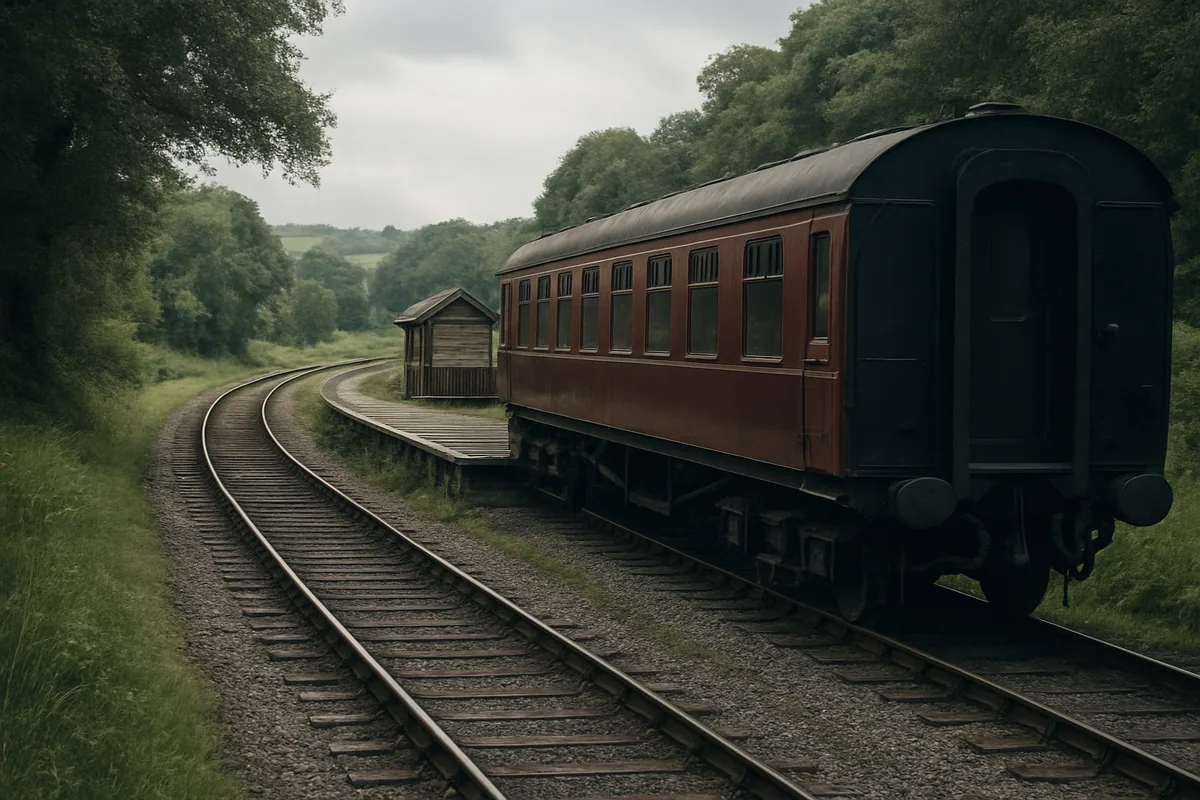
The Railway and Tottenham
Tottenham’s railway association is one strand of its local heritage. The South Simcoe Railway gives that connection a recognizable focus within a wider regional story. Its place can be described alongside other local-history topics without reducing the town’s identity to rail alone. At a community scale, this connection situates Tottenham within the railway heritage of Simcoe County.
Local connection
The South Simcoe Railway is closely associated with Tottenham, a community in the Town of New Tecumseth, and gives the town a direct connection to railway heritage in Simcoe County. That link sits alongside other local-history themes, including the role transportation played in the development of rural communities and small-town centres. It also makes rail preservation part of Tottenham’s cultural identity: residents and visitors can encounter it as a heritage attraction and as a reminder of how railways shaped movement and commerce across the region.
The railway’s name establishes a regional association, but it does not identify every track, station, or operating boundary. Nearby place names and broad descriptions of the area do not, by themselves, confirm a boarding point, route length, or access location. For a general geographic description, refer to the railway’s connection with Tottenham and the wider South Simcoe area; use more precise location details only when supported by a reliable map or railway information.
Railway History and Preservation
Preserving railway history involves more than keeping old equipment intact: it also means recording how railway systems worked and what they meant to the communities they served. For the South Simcoe Railway, historical interpretation can connect railway heritage with the places and people associated with rail travel. Objects, documents, and buildings each offer different kinds of evidence. Together, they show readers both conservation work and the history it makes accessible.
What a history account can cover
A South Simcoe Railway history account can connect surviving railway material with the people and places shaped by rail transport. These themes make preservation legible without treating every object as proof of a particular event.
- Preservation work can include scheduled inspection of locomotives and passenger cars, component repair, track upkeep, and decision records; these details show how historic equipment is conserved and interpreted.
- Railway heritage encompasses operating practices, signaling, station architecture, timetables, and passenger or freight roles, connecting engineering choices with how communities experienced rail transport.
- Community context can trace relationships among rail service, local businesses, railway workers, and regional movement, while separating documented links from broad claims about economic change.
- Interpretation may draw on dated photographs, maps, maintenance records, oral histories, and surviving structures, comparing sources to explain what each can and cannot establish.
- Preservation accounts can explain choices to retain, repair, or adapt historic features, and show how conservation priorities shape the public view of railway heritage today.
Claims about a specific accident, opening, major change, or named participant require reliable historical support, such as dated records corroborated by independent evidence.
Heritage Train Rides
A heritage train ride offers a view of rail travel as an experience rather than simply a way to reach a destination. The journey can bring together vintage railway equipment, the movement and sounds of a train, and interpretation of how railways served their communities. The setting and pace may differ from modern passenger transport, where speed and schedules usually take priority. What visitors encounter on any particular South Simcoe Railway ride depends on the arrangements in effect for that occasion.
The general visitor experience
A heritage train ride takes passengers along a railway route in a historic setting, where the train itself is part of the experience. The slow movement of a locomotive, the sound of wheels on the track, and views from the carriage can make the journey feel different from ordinary transport. Rather than focusing only on reaching a destination, passengers have time to notice the railway environment as it passes.
Railway interpretation can add context to the journey. Explanations about equipment, operating practices, or the railway’s role in local life help visitors connect what they see with how rail travel worked in an earlier period. Historic carriages and locomotives may also make the physical details of rail travel more apparent than displays alone.
This kind of excursion can suit visitors interested in railway heritage, including families looking for a slower-paced activity. Its character depends on the route, equipment, interpretation, and arrangements provided for a specific trip. These are general features of heritage rail travel; they do not establish what a particular South Simcoe Railway outing includes or confirm that a ride is operating.
Details that require confirmation
Visitor arrangements can change between seasons and individual events. Check the details for the specific date being considered, since a general description cannot confirm current service.
- Ride dates: Operating days may vary by season, special event, staffing, or maintenance needs, so dates described for one period may not apply later.
- Schedules: Departure times and journey frequency can change with the day’s program or operating conditions; an old timetable may not reflect the current plan.
- Access arrangements: Boarding procedures, step heights, accessible facilities, and available assistance depend on the train and station setup for that occasion.
- Availability: Capacity, reservations, cancellations, and ticket access may differ by date or event, so availability cannot be inferred from a general ride description.
Confirm each item with current railway information before making plans. A general account of heritage rail travel does not establish that South Simcoe Railway service is currently operating.
Planning Around Current Information
Details for a visit can change between operating periods, so older listings may not reflect what is available now. Check current information before choosing a date or arranging transport. Confirm the South Simcoe Railway schedule against your intended visit date. Keep the details together so your plans rely on consistent, date-specific information.
What to verify
Before travelling, confirm each practical detail using current information from the railway. Check these points for the date you plan to visit.
- Operating status: Confirm whether the South Simcoe Railway is operating on your intended date; seasonal availability and operating notices can change.
- Schedule: Check current departure times and any date-specific changes rather than relying on an old listing or a schedule from another operating period.
- Access arrangements: Confirm where visitors should arrive, how boarding access works, and whether parking or mobility arrangements need to be made in advance.
- Visitor requirements: Check whether advance booking, age-related conditions, accessibility arrangements, or other requirements apply to passengers on the date of your visit.
- Latest updates: Review information close to your planned visit and confirm that any notice you rely on covers the correct date and excursion.
If a detail cannot be confirmed in current information, treat it as unsettled and do not build your plans around it.