
What the Beeton Fall Fair Is
A fair can be recognized by its community connection without treating every reference as a complete event listing. For the Beeton Fall Fair, the name connects the event to Beeton, while the description “community fair” conveys its broad role. Local materials may refer to the fair in different ways, and this distinction provides a starting point for interpreting those references. The label does not supply a full account of a particular year’s program. The distinction matters when moving from general identification to edition-specific details.
Community fair context
The phrase “community fair associated with Beeton” establishes a local connection and a general kind of event: a fair linked to the community. It does not, by itself, identify who arranges a particular edition, how long it runs, or what appears in its program. Those details can change from one year to another, while the fair’s community association remains the basic point of reference. For readers, that distinction helps separate the fair’s broad identity from information tied to a specific edition. A listing for one year may describe a schedule or activity, but that alone does not establish the same offering for another year. Treat the Beeton Fall Fair as the community event named in local references, and read dates, hours, program details, and arrangements as year-specific information requiring separate confirmation.
The Fair in Local Context
Across Ontario, a local fall fair can bring agricultural work into public view while giving residents a shared occasion beyond everyday farm and town routines. The Beeton Fall Fair fits within that broader community role, where rural knowledge and local identity may meet. A fair’s meaning can extend beyond its schedule: it may connect people who grow, raise, make, sell, or are simply interested in local life. These themes offer context for considering the fair without assuming which activities appear in any particular year.
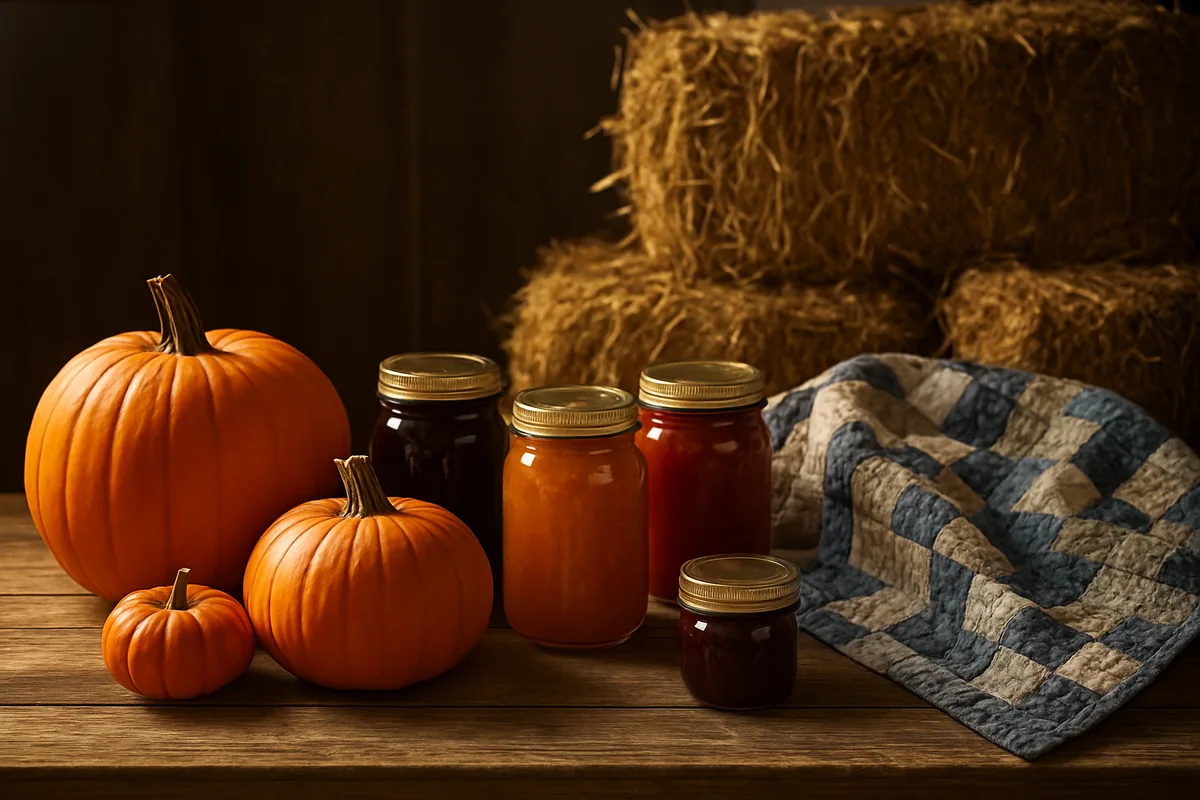
Community and agricultural themes
A local agricultural fair can link community life with the work and knowledge behind food production. Its possible roles include sharing expertise, expressing local identity, and creating opportunities for residents to meet across generations and occupations.
- Public agricultural displays can clarify growing and animal care, connecting the knowledge of producers with questions from residents who have limited farm experience.
- Competitions, where a fair includes them, can recognize practical skills such as judging produce quality or presenting livestock, while showing how local standards develop and are shared.
- Community participation can strengthen local identity when residents contribute time, knowledge, or creative work to a shared event linked to the area’s rural traditions.
- Conversations between growers, livestock handlers, families, and other visitors can support informal exchanges about seasonal work, animal husbandry, food, and the challenges of farming.
- For younger residents, seeing agricultural work represented in a public setting can provide a direct introduction to rural occupations and the systems that bring food to market.
- Local vendors and community groups, if included, can create an exchange between agricultural producers, small businesses, and residents seeking locally relevant goods or information.
- A fair can also connect rural and town perspectives, helping neighbors discuss how agriculture, land use, local businesses, and community traditions shape life in the same region.
In a place such as Beeton, these themes can be considered in relation to the wider New Tecumseth community and its surrounding agricultural landscape.
Reading the Fair’s History
The history of the Beeton Fall Fair is clearest when each statement is connected to a dated, attributable record. A fair programme, newspaper report, meeting minute, or official record can support different kinds of details, from an event date to an organizing decision. General accounts of agricultural fairs can explain historical context, but they do not establish what happened at Beeton. Checking the source, its date, and the exact claim it supports helps keep local history distinct from reasonable but unverified inference.
Historical background
A reliable account of the Beeton Fall Fair history starts with records that can be identified and checked. A programme bearing an event date can establish that an edition was scheduled for that date; a contemporary newspaper report may document activities it describes. Minutes or an annual report can support details about organizing decisions when the record names the body responsible and gives a date. These sources answer different questions, so a report about one edition should not be treated as proof of an unmentioned tradition or earlier milestone.
Useful details include the document’s author or issuing organization, publication or meeting date, and the specific wording relevant to the claim. Later summaries can help locate a lead, but a claim about when an event began or how it changed is stronger when supported by dated records from the period. Broad context about local fairs may explain why agricultural exhibits or competitions were common, but it cannot by itself confirm that a particular feature appeared at Beeton. A careful account states only what the cited record supports.
Separating confirmed facts from assumptions
Historical statements vary in strength according to their evidence and attribution. Compare the record type and date with the wording of the statement before treating a detail as established.
| Category | Evidence type and attribution | Date support | Suitable wording |
|---|---|---|---|
| Documented fact | A dated programme, contemporary newspaper report, or signed meeting record that directly addresses the detail | The record shows its publication, event, or meeting date; use the date relevant to the claim | “The dated programme lists…” or “The report describes…” |
| General historical context | A source about agricultural fairs broadly, attributed to its author or issuing organization | The source’s own publication date supports the context, not a Beeton-specific event date | “Agricultural fairs commonly included…” only when the source supports that pattern |
| Unverified claim | An unattributed recollection, undated summary, or statement with no record directly supporting it | No date can be tied confidently to the specific event or change | Do not state it as established; seek a dated, attributable record |
A record supports only the details it actually contains. For example, a dated programme can confirm a listed activity for that edition, but not the fair’s full history or an earlier starting date.
What to Confirm Before a Visit
Plans for the Beeton Fall Fair can vary from one year to the next, so details from an earlier visit may not apply to a future event. Check current, event-specific information before setting out, especially when coordinating travel with family or arranging a full day at the fairgrounds. Confirm the schedule separately from entry and site arrangements, since a program update may not cover every visitor detail. The checks below help you identify what is current without relying on past dates or assumed activities.
Dates and schedule
Confirm the dates and daily opening times in current event information before making plans; the Beeton Fall Fair schedule can change from year to year.
Check these timing details against the latest published announcements:
- Verify the event dates for the year you plan to attend, rather than carrying forward dates found in an older calendar or saved itinerary.
- Check opening and closing times for each day; a multi-day fair may not use identical hours throughout its full run.
- Review the daily schedule for the activities you want to see, including start times and whether events are listed on specific days.
- Look for updates issued after the initial schedule, especially notices that move a start time, alter hours, or change a planned activity.
- Recheck timing close to your visit, since an earlier announcement may have been revised after you first made arrangements.
Use the most recent event-specific information for both the overall dates and the individual day you intend to attend.
Event details and access
Visitor arrangements, activities, and access details can also change between fair years. Review the current published program and confirm how the site is operating before travelling.
Check the practical details that affect arrival and time on the grounds:
- Read the current event program for confirmed attractions, demonstrations, competitions, and livestock displays; do not assume an activity from a past program will return.
- Confirm entry arrangements, including where visitors enter, whether admission information is published, and whether ticketing or re-entry conditions are specified.
- Review current site information for parking, accessible routes, and any changes to the use of entrances or areas of the fairgrounds.
- Check whether visitor requirements are stated for items such as pets, bags, payment methods, or participation in particular activities before leaving home.
- Look for notices about temporary access changes, revised layouts, or other arrangements that could affect movement between event areas.
- If a detail is not addressed in current announcements, seek confirmation through an official event contact before relying on older information.
Keep the program and access details together with the confirmed dates, so plans reflect the same current event information.
How the Fair Fits This Local Guide
The fair article sits between community-scale information about Beeton and town-wide information about New Tecumseth. Beeton, Alliston and Tottenham are communities within the Town of New Tecumseth in Simcoe County, so the two geographic scales answer different kinds of local questions. A community guide provides a place-based frame, while a town overview shows how Beeton relates to nearby communities. This placement makes the Beeton Fall Fair one local subject within a broader guide to the area, rather than a substitute for either level of information.
Beeton and New Tecumseth
New Tecumseth Local Guide places the Beeton Fall Fair alongside information about Beeton and the wider town, rather than treating it as a standalone destination. Beeton, Alliston and Tottenham are communities within the Town of New Tecumseth, so community-level and town-level coverage answer different geographic questions. Readers can use the fair article as one focused reference within that broader local picture.
New Tecumseth Local Guide is an independent English information guide, not an event organiser, municipal department or official source. It does not set fair policies, issue announcements on behalf of organisers or speak for the town. Event authorities retain responsibility for official event information; the guide offers context for readers, not an authoritative notice. It offers no products or services and does not run the fair.
That distinction helps readers choose the right source for each purpose. Beeton-specific coverage situates a local event in its community, while a New Tecumseth overview supplies the wider frame for the relationship between Beeton, Alliston and Tottenham. The fair article complements both kinds of local information without replacing them. This division helps readers identify whether a question concerns Beeton alone or the whole municipality. For formal decisions about an event or municipal matter, rely on the authority responsible for that information.